
On July 7, 2026, Meta introduced a new AI image generator named Muse Image. This tool is capable of creating images from text prompts, editing photos, and even writing code in order to generate charts and QR codes. It was developed by the Meta Superintelligence Labs under the leadership of Alexandr Wang, who is the company’s Chief AI Officer.
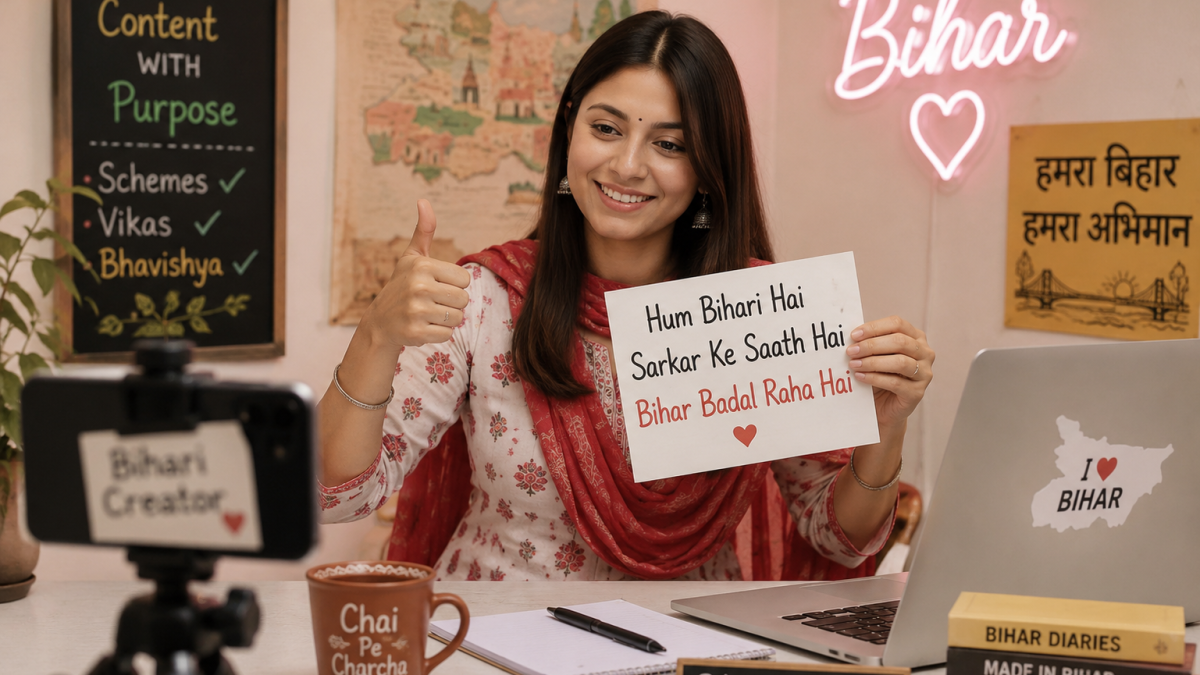
The launch was the subject of headlines for another reason since Muse Image is able to incorporate public Instagram photos into someone else’s AI-generated image, and it does so by default.
What Makes Muse Image Different
Most image generators turn a prompt into a picture. Muse Image works more like an assistant. It checks its own output as it goes. If something looks wrong, it can rewrite a detail or start over. Meta says the model taught itself this habit during training. Nobody coded it in directly.
The tool also gets better the longer it “thinks” before finishing an image. This mirrors how newer AI language models reason through a problem step by step. Meta built Muse Image on top of Muse Spark, a model it released earlier this year.
On Arena, a leaderboard ranking AI models by human preference, Muse Image ranks second worldwide for text-to-image generation. Only OpenAI’s GPT Image 2 ranks higher. Muse Image also beats Google’s Nano Banana 2 and Microsoft’s MAI Image 2.5 on this leaderboard.
Every image the tool creates carries a hidden watermark called Content Seal. This marks the image as AI-made, even after someone crops or compresses it. Meta also released a separate tool that checks for this watermark.
Right now, Muse Image works in the Meta AI app, on meta.ai, and in Instagram Stories in the US. WhatsApp support has reached a few other countries. Facebook access is coming soon. Meta has not announced a launch date for India.
The Feature That Sparked the Backlash
Meta’s own examples show the real concern. A user can tag any public Instagram account inside a prompt. Muse Image then pulls that person’s real photos into a brand-new AI image.
This works automatically for every public account. Meta does not ask permission first. It also does not tell the person whose photo got used. Anyone who wants to opt out must go into Instagram’s privacy settings and turn the feature off manually. Even then, old images made with their photos stay as they are. Only future use gets blocked.
Meta calls this a way to “create images with friends” and help businesses make marketing content that feels personal. Privacy researchers disagree. Wired and The Verge both reported that this setup places your face into strangers’ prompts. The burden of protection falls on the user, not the company.
Why India Should Pay Attention Now
Muse Image has not launched in India yet. But Instagram and WhatsApp count among Meta’s largest user bases in the country. That makes this a story worth watching before the tool arrives, not after.
India’s Digital Personal Data Protection Act, 2023, sets a clear standard. Consent must be free, specific, informed, and given through a clear action. An opt-out-by-default system goes against this principle. The law does allow one exception: data a person has already made public on their own. Whether a public Instagram photo fits this exception for AI reuse remains unclear. Privacy lawyers in India have debated this exact gray area for months.
The government has also moved to tighten rules around AI-made content. In February 2026, the Ministry of Electronics and Information Technology amended the IT Intermediary Rules. The change brought synthetic and AI-generated media under stricter platform obligations. This fits a wider pattern of India tightening its deepfake regulations.
Enforcement still lags behind the law, though. India’s Data Protection Board only started operating in late 2025. Full compliance deadlines under the DPDP Act do not arrive until May 2027. If Muse Image reaches India before then, it would land in a gap. The law would exist, but the enforcement system would still be catching up.
The Bottom Line
Muse Image shows real technical progress. It reasons through its own mistakes, scales with extra thinking time, and produces near-frontier image quality. Meta has already built it into apps that billions of people use every day.
But the same launch reveals a familiar pattern. AI companies keep treating user consent as an afterthought instead of a starting point. For Indian users, developers, and policymakers, the bigger question is not what Muse Image can do. It’s whether India’s privacy law will be ready to hold Meta accountable when the tool finally arrives.
FAQs
Is Meta Muse Image available in India? Not yet. It currently runs in the US through the Meta AI app, meta.ai, and Instagram Stories, plus WhatsApp in a few other countries. Meta has not confirmed an India launch date.
Can someone use my Instagram photos in Muse Image without asking me? Yes, if your account is public. Anyone can tag your profile in a prompt, and the tool will use your public photos as a reference. This happens by default, and you won’t get a notification.
What is Content Seal? It’s Meta’s invisible watermark. It gets added to every Muse Image output so people can check whether an image was AI-generated, even after someone edits or resizes it.
How does this clash with India’s DPDP Act? The DPDP Act generally requires opt-in consent. A default-on reuse setting works against that principle. But the law’s exception for publicly shared data, combined with enforcement that is still being built, leaves the legal picture unsettled for now.