 By
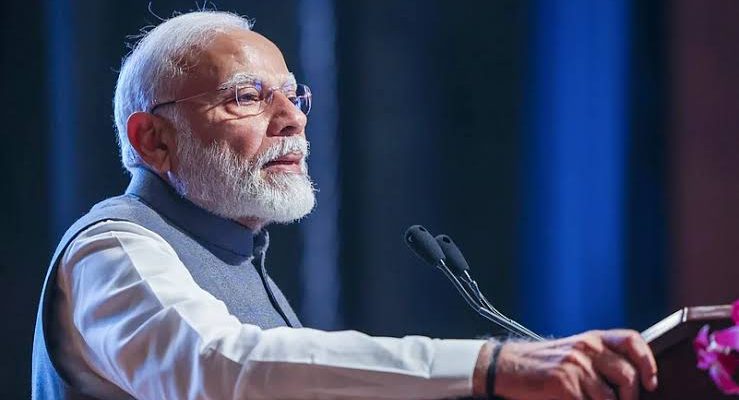
By On September 17, Prime Minister Narendra Modi inaugurated the fifth edition of SEMICON India 2026 at Yashobhoomi in New Delhi, a three-day event featuring more than 600 exhibitors, including around 300 international companies, spread across 15,000 square meters, with more than 150 speakers discussing India’s semiconductor and electronics ambitions. Delegations from more than 40 countries attended, and the exhibition included six country pavilions, twelve state government pavilions, and a dedicated Startup Pavilion showcasing around 40 startups.
The government used the platform to claim tangible progress: MeitY Secretary S. Krishnan noted that three of the twelve semiconductor projects approved under “Semicon 1.0” have already begun commercial production, and announced the next phase, “Semicon 2.0,” built around six major pillars to strengthen India’s semiconductor ecosystem further. It’s a triumphant note but one struck against a much messier geopolitical and economic backdrop, which is presumably why the news cycle has bundled this story with Trump’s tariffs, the Iran war and a new Russia sanctions bill. semisemi
The tariff rollercoaster
India’s trade relationship with Washington has been turbulent through 2026. Last year, a 25% “reciprocal” tariff on India was compounded by an additional 25% levy tied to India’s purchases of Russian oil, pushing the total to 50% imposed via an executive order that cited India’s continued import of Russian crude as a national-security concern. That rate briefly made India one of the most heavily tariffed economies trading with the US. tribuneindiathenewsminute
Relief came in stages: in early February 2026, Washington and New Delhi struck an interim deal cutting the rate from 50% down to 18%, and by June a further agreement lowered tariffs to around 10% on roughly 70% of Indian exports, with the Russia-linked 25% penalty withdrawn entirely as India signaled it would scale back Russian oil purchases.
The Iran war reopens the wound.
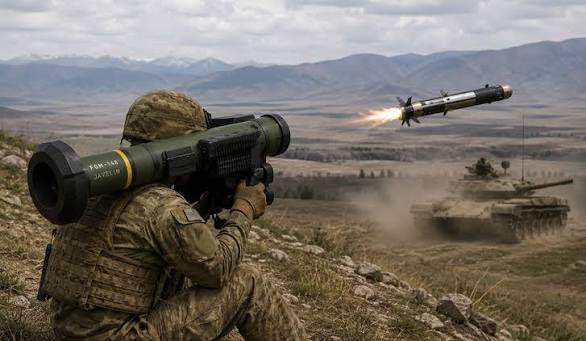
That de-escalation didn’t hold, because of a separate crisis: the US-Israel war on Iran, which began in late February 2026 and has ground on through multiple failed ceasefires, an April truce conditioned on Iran reopening the Strait of Hormuz, and a June 17 memorandum between Trump and Iranian President Masoud Pezeshkian that Trump himself declared “over” by July 8, after which strikes resumed. As of early September, US forces were still conducting strikes and blockade operations in the Gulf, with CENTCOM reporting dozens of commercial vessels redirected around the Strait. sofjinsa
The closure of Hormuz choked off a route that normally carries roughly 40% of India’s oil imports, and refiners responded by leaning harder on discounted Russian crude. India’s Russian oil imports, which had fallen to about 1.04 million barrels a day in February amid US pressure, rebounded to around 2.6 million barrels a day by June, reaching a record 2.78 million barrels a day in July after a key US Treasury waiver on Russian crude purchases lapsed. In effect, one conflict (Iran) fed directly into renewed friction with another (Russia). domalbertothequint
Congress moves against India again.
That rebound in Russian oil purchases is what triggered the next escalation: a new sanctions bill from Capitol Hill. The US Senate passed the “Lindsey O. Graham Sanctioning Russia and Iran Act of 2026” by an 86–11 vote, authorizing tariffs of up to 100% on the top buyers of Russian oil and gas and naming India, China, Azerbaijan, Hungary, and Slovakia as the primary targets. The bill also extends the Iran Sanctions Act through 2031 and exempts countries importing less than 15% of their energy from Russia. Named posthumously for Senator Lindsey Graham, it cleared the Senate in early August. It was awaiting House action once Congress returned from recess in September, meaning it hangs over India’s trade outlook even after the earlier tariff relief. thequintthequint
The political crossfire
Domestically, this whole arc of tariffs, oil dependence, and the government’s largely muted public response to Washington’s pressure —has become fodder for the opposition. Congress leader and Leader of the Opposition Rahul Gandhi has repeatedly gone after Modi over it, calling the earlier 50% tariff “economic blackmail” and an attempt to bully India into an unfair trade deal, and arguing that more than 4.5 crore jobs and lakhs of businesses were at stake from the tariff standoff’s effect on exporters. He has also invoked Indira Gandhi’s defiance of US pressure during the 1971 war as an implicit contrast to the current government’s posture, and at one point echoed Trump’s own dismissive remark about the Indian economy back at the government. The BJP and allied state leaders have pushed back hard, framing Gandhi’s comments as damaging to India’s negotiating position and reputation abroad. freepressjournalnavbharatlive
The through-line
Put together, the story is really about how four separate threads have become entangled: India is trying to build a homegrown chip industry and pitch itself as a trusted manufacturing partner (Semicon India 2026), while simultaneously navigating an unresolved tariff relationship with Washington, a still-live war in the Gulf that’s reshaping its energy imports, and a fresh piece of US legislation that could reopen the tariff question via the Russia angle all while the opposition uses each twist as ammunition in domestic politics. Given how fast-moving the Iran war and the House’s handling of the Graham bill both are, this is very much a developing situation rather than a settled one.