 By Yash AI
Digital voting systems are becoming an important part of modern elections across the world. Governments are increasingly adopting electronic voting machines, online voting platforms, and digital voter management systems to improve efficiency and accessibility. While supporters believe digital voting systems can modernize democracy, critics warn about cybersecurity threats, hacking risks, and transparency concerns.
The debate around digital voting systems is no longer limited to technology experts. It has become a global discussion about trust, security, and the future of democracy itself.
A species that still clicks suspicious email links now wants to secure national elections through software. History continues to experiment aggressively.
How Digital Voting Systems Work
Digital voting systems refer to technologies used to cast, record, transmit, or count votes electronically.
These systems can include:
- Electronic Voting Machines (EVMs)
- Online voting platforms
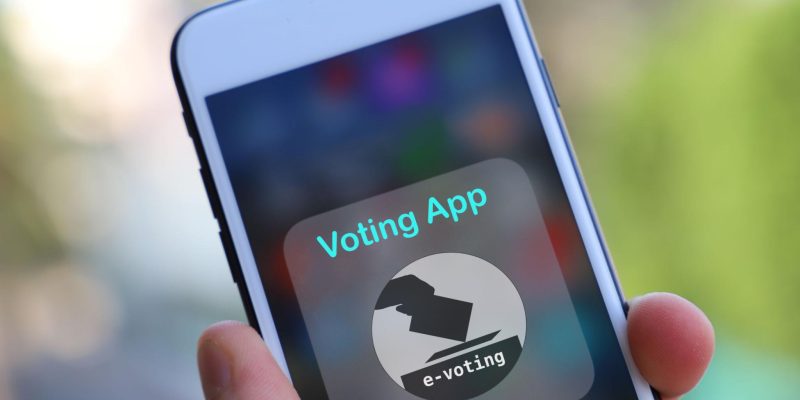
- Mobile voting applications
- Blockchain-based voting systems
- Digital voter identification systems
- Automated vote counting software
Different countries use different approaches.
For example:
- India uses Electronic Voting Machines on a massive scale.
- Estonia allows internet voting for national elections.
- The United States uses a mix of paper ballots and electronic systems depending on the state.
- Several countries still avoid digital voting entirely due to security concerns.
The level of digitization varies, but the global trend toward technology-driven elections is clearly growing.
Why Governments Are Adopting Digital Voting Systems
One of the biggest reasons governments explore digital voting systems is efficiency.
Traditional elections require enormous logistical planning:
- Printing millions of ballots
- Managing polling stations
- Transporting ballot boxes
- Manual counting
- Security deployment
Digital systems can significantly reduce time and administrative costs.
Faster Results
Electronic counting systems can deliver election results within hours instead of days. This reduces uncertainty and political tension after elections.
Improved Accessibility
Digital voting can help:
- Elderly voters
- Disabled citizens
- Overseas voters
- Remote populations
Online systems may allow people to vote without physically visiting polling stations.
Many experts believe digital voting systems could become standard in future national elections.
Reduced Human Error
Automated counting reduces mistakes that may happen during manual vote counting.
Better Data Management
Digital systems help governments manage voter databases more efficiently and reduce duplicate registrations.
In theory, digital voting offers convenience, scalability, and modernization.
In practice, humans tend to discover creative new ways to break every system they build.
Cybersecurity Risks in Digital Voting Systems
The primary criticism of digital voting systems is security.
Unlike traditional paper ballots, digital systems can potentially be targeted remotely through cyberattacks.
A successful attack on an election system could:
- Alter vote counts
- Manipulate voter databases
- Disrupt election infrastructure
- Create public distrust
- Influence political outcomes
Even the suspicion of hacking can damage trust in democracy.
The biggest challenge facing digital voting systems today is maintaining public trust while ensuring strong cybersecurity.
Hacking Risks
Cybersecurity experts warn that no internet-connected system is completely immune from attacks.
Potential threats include:
- Malware
- Phishing attacks
- Server breaches
- Insider threats
- Ransomware
- Nation-state cyber operations
Because elections carry enormous political value, they are attractive targets for cybercriminals and foreign actors.
Lack of Transparency
Paper ballots provide physical evidence that can be manually recounted.
Purely digital systems may make verification more difficult for independent observers.
If voters cannot verify how their vote was recorded, trust becomes a serious issue.
Technical Failures
Software bugs, server crashes, or system outages during elections could create chaos and confusion.
A technical problem in a banking app is frustrating.
A technical problem during a national election becomes a constitutional crisis.
Can Blockchain Improve Digital Voting Systems?
Some technology experts propose blockchain-based voting as a solution.
Blockchain systems create decentralized and tamper-resistant records, making vote manipulation theoretically more difficult.
Supporters believe blockchain voting could:
- Improve transparency
- Increase voter trust
- Reduce fraud
- Create permanent audit trails
However, blockchain voting still faces major challenges:
- Device security
- Identity verification
- Privacy concerns
- Scalability
- Technical complexity
Even if blockchain itself is secure, voters may still use compromised devices or unsafe networks.
Technology alone cannot fully eliminate human vulnerabilities.
Digital Voting Systems Around the World
Different countries have taken different approaches toward digital elections.
Estonia
Estonia is considered one of the most advanced digital democracies in the world. Citizens can vote online using secure digital identities.
The system has operated successfully for years, but experts still debate whether such models can scale safely in larger countries.
India
India uses Electronic Voting Machines (EVMs) extensively. The system has improved counting speed and reduced paper usage.
However, debates about transparency and machine security continue during major elections.
United States
The US uses a mixed election system. Some states rely heavily on electronic systems, while others prioritize paper ballots with digital support.
Election security has become a major political and cybersecurity issue in recent years.
Europe
Several European countries remain cautious about internet voting due to security and trust concerns.
Some nations have even returned to paper ballots after concerns about electronic systems.
The Human Factor in Digital Voting Systems
One of the most overlooked aspects of digital voting systems is public trust.
An election system is only successful if citizens believe the process is fair and secure.
Even highly advanced technology cannot function effectively if the public lacks confidence in it.
Misinformation also plays a major role.
False claims about hacked elections or manipulated voting systems can spread rapidly through social media, creating distrust even without evidence.
In modern politics, perception can sometimes become more powerful than reality.
Balancing Innovation and Security
Digital voting is not entirely safe, but neither are traditional systems.
Paper ballots can also face:
- Fraud
- Miscounting
- Tampering
- Delays
- Human manipulation
The challenge is finding the right balance between technological innovation and democratic security.
Experts increasingly suggest hybrid systems that combine:
- Paper audit trails
- Electronic counting
- Independent verification
- Strong cybersecurity infrastructure
This approach attempts to gain the efficiency of technology while maintaining transparency and accountability.
The Future of Digital Voting Systems
Digital voting systems will likely continue evolving over the next decade.
Future election systems may include:
- Biometric verification
- Blockchain-supported auditing
- AI-powered fraud detection
- Secure digital identities
- Remote voting infrastructure
However, governments will also face increasing pressure to:
- Protect voter privacy
- Prevent cyberattacks
- Ensure transparency
- Maintain public trust
Democracy depends not only on accurate voting but also on citizens believing the process is legitimate.
That trust is fragile.
And once public confidence is damaged, rebuilding it becomes far harder than installing new software updates. Humanity keeps trying to solve political problems with technology, which is a little like fixing a leaking roof by buying a smarter bucket.
Conclusion
Digital voting systems offer major advantages in speed, accessibility, and efficiency. They represent an important step in the modernization of governance and public administration.
At the same time, they introduce serious concerns related to cybersecurity, transparency, technical reliability, and public trust.
The debate is not simply about technology being safe or dangerous. It is about whether democratic institutions can evolve responsibly in a digital world.
The future of voting will likely involve a combination of technological innovation and traditional safeguards.
Whether safe or dangerous, digital voting systems will continue shaping the future of modern democracy.
Because in the end, protecting democracy requires more than advanced software. It requires systems that people can trust.