 By Yash AI
For decades, education followed a predictable formula. Study for years, earn a degree, find a stable job, and slowly build a career. That model worked well in an era when industries changed slowly and professional paths were relatively fixed.
But the modern economy moves faster than traditional education systems can adapt. New technologies appear every year, industries evolve rapidly, and employers increasingly care less about where someone studied and more about what they can actually do.
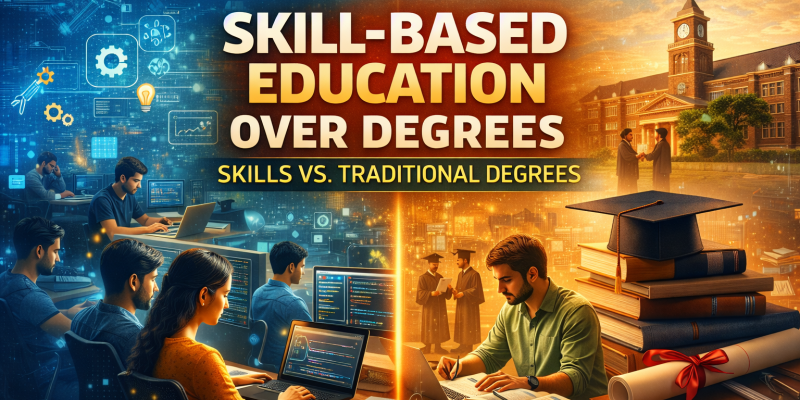
This shift is driving the rise of skill-based education, a model that prioritizes practical abilities over formal academic credentials.
Why the Degree-First Model Is Losing Ground
University degrees still carry value, but they no longer guarantee employability. Many graduates enter the workforce with theoretical knowledge but limited practical experience.
Industries today demand skills that can be applied immediately, such as:
- Data analysis
- Digital marketing
- Software development
- Product management
- UX design
- Artificial intelligence and automation
Traditional academic programs often take years to update their curriculum, while industry demands evolve much faster.
The result is a growing gap between what students learn and what employers need.
The Growth of Skill-Based Learning Platforms
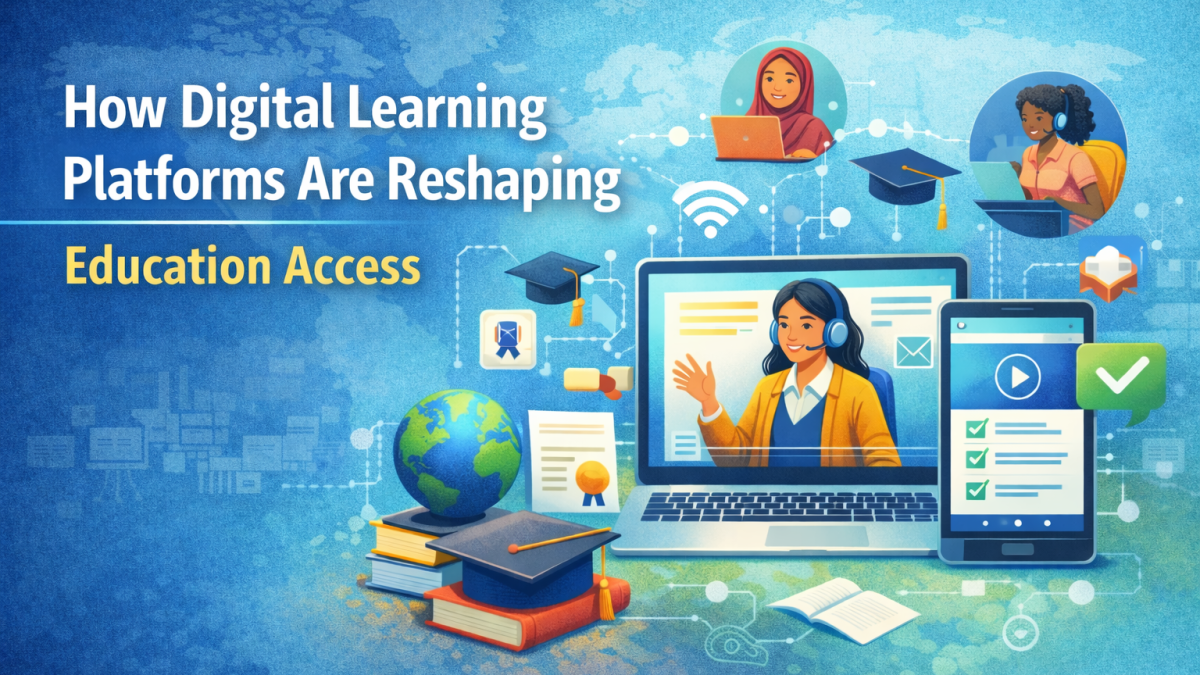
Online learning platforms have dramatically expanded access to practical education. Platforms like Coursera, Udemy, and edX allow students to develop specific skills without committing to long academic programs.
Short courses, certification programs, and project-based learning modules help learners build industry-relevant expertise in months rather than years.
For many professionals, continuous upskilling has become a necessary part of staying relevant in a competitive job market.
The Role of Technology in Modern Learning
Technology has fundamentally transformed how people learn. Interactive platforms, AI-powered tutoring systems, and online collaboration tools allow students to access global knowledge from anywhere.
Learning is no longer confined to classrooms. It can happen through:
- Online courses and bootcamps
- Virtual mentorship programs
- Industry-led workshops
- Project-based learning communities
The accessibility of digital education means that individuals from smaller cities and rural areas can acquire advanced skills without relocating to major education hubs.
Employers Are Prioritizing Skills
Many companies are gradually shifting their hiring strategies. Instead of focusing only on academic degrees, employers increasingly assess candidates based on skills, portfolios, and real-world projects.
In industries such as technology, design, and digital marketing, employers often value:
- Demonstrated technical ability
- Problem-solving skills
- Practical project experience
- Adaptability and continuous learning
This shift has encouraged alternative education models such as coding bootcamps, industry certifications, and apprenticeship-style training programs.
Lifelong Learning as a Career Strategy
In the modern workforce, education no longer ends with graduation. Professionals must continuously upgrade their knowledge as technologies and industries evolve.
Skill-based learning supports this idea of lifelong education by offering flexible, modular programs that can be completed alongside full-time jobs.
Workers can reskill or upskill multiple times throughout their careers, allowing them to adapt to changing market demands.
Challenges of Skill-Based Education
Despite its growing popularity, skill-based education also faces challenges.
One concern is the lack of standardization. Unlike traditional degrees, which follow regulated academic structures, many skill-based programs vary widely in quality.
Another challenge is recognition. While many companies value skills, some industries still rely heavily on formal academic credentials.
Balancing practical training with theoretical knowledge remains an ongoing challenge for modern education systems.
The Future of Education
The future of education is unlikely to abandon degrees entirely. Instead, it will probably combine academic learning with practical skill development.
Universities are already beginning to integrate industry partnerships, internships, and project-based learning into their programs. Meanwhile, online learning platforms continue to expand opportunities for flexible education.
In the long term, success in the workforce may depend less on a single degree and more on a continuously evolving set of skills.
A Changing Definition of Education
Education is shifting from a one-time achievement to a lifelong process.
The rise of skill-based education reflects a broader transformation in how societies prepare individuals for work and innovation. Degrees may still open doors, but skills increasingly determine how far someone can go.
In a rapidly changing world, the ability to learn, adapt, and develop new skills may be the most valuable qualification of all.