 By Yash AI
E-learning platforms have transformed the way people access education. What started as a convenient alternative to traditional classrooms has now become a central pillar of global learning. In 2026 and beyond, e-learning is not just growing; it is evolving rapidly to meet the demands of a digital-first world.
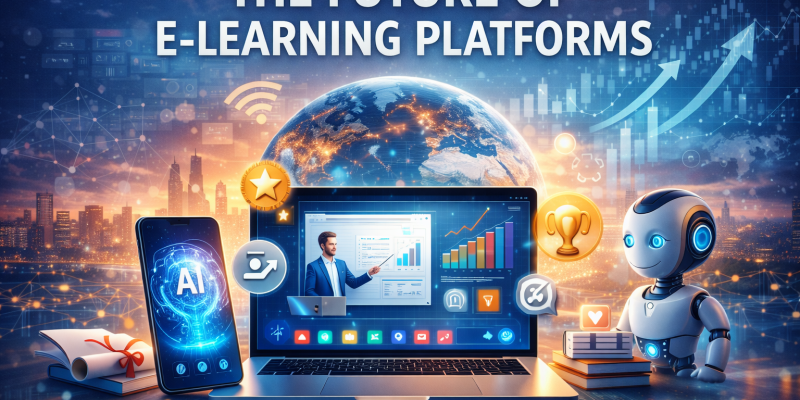
The future of e-learning platforms will be defined by personalisation, technology integration, and a stronger focus on user experience.
Rise of Personalised Learning
One of the biggest shifts in e-learning is the move toward personalised education. Platforms are no longer offering one-size-fits-all courses. Instead, they are adapting to individual learning styles, pace, and preferences.
Companies like Coursera and Udemy are already using data-driven insights to recommend courses and customise learning paths.
In the future:
- Learners will receive tailored content based on performance
- AI will adjust difficulty levels automatically
- Learning will become more efficient and engaging
Education will finally start treating people like individuals instead of identical robots in a system.
Integration of Artificial Intelligence
Artificial Intelligence is set to play a major role in shaping e-learning platforms. AI can analyse user behaviour, track progress, and provide real-time feedback.
Key applications include:
- AI tutors and chatbots for instant support
- Automated assessments and grading
- Smart content recommendations
This makes learning faster, smarter, and far less dependent on human intervention. Good news for efficiency. Slightly concerning for teachers who enjoy job security.
Growth of Mobile Learning
Mobile devices are becoming the primary medium for accessing educational content. E-learning platforms are increasingly optimised for smartphones and tablets, allowing users to learn anytime and anywhere.
Short-form content, such as microlearning modules, is particularly suited for mobile learning. This shift ensures that education fits seamlessly into daily life instead of demanding dedicated hours.
Gamification and Interactive Learning
The future of e-learning is not just informative, it’s engaging. Gamification is being widely adopted to make learning more interactive and enjoyable.
Features include:
- Points, badges, and leaderboards
- Interactive quizzes and simulations
- Progress tracking and rewards
By making learning feel less like a chore, platforms can improve user engagement and completion rates.
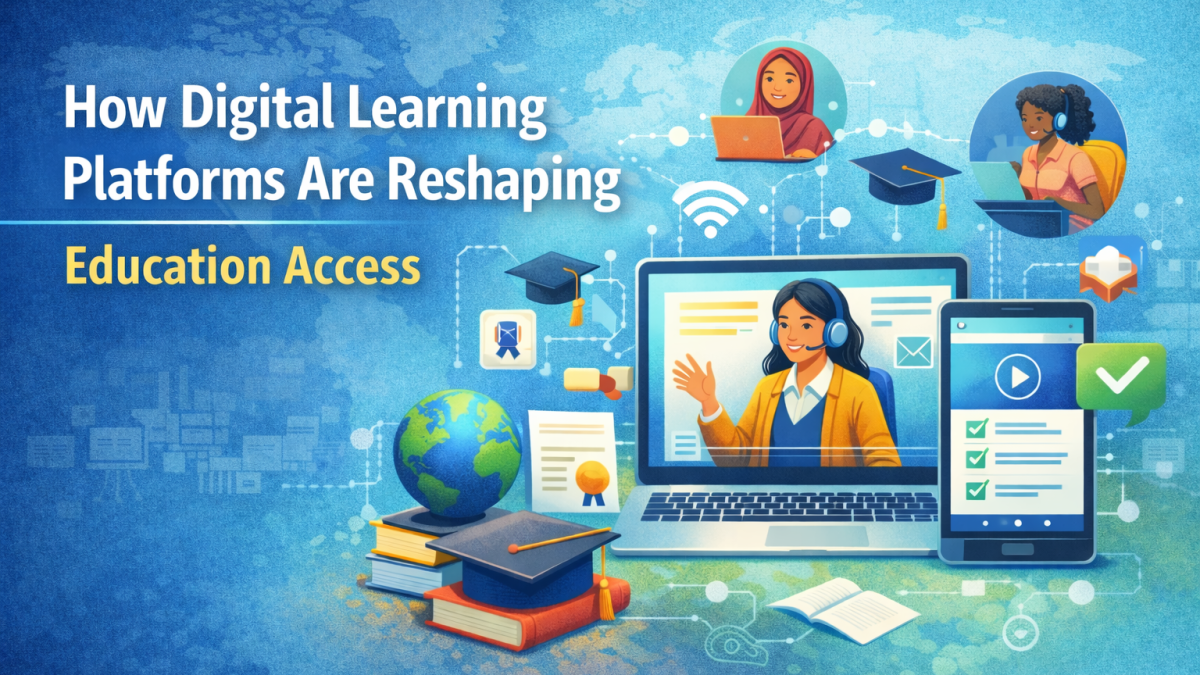
Expansion of Global Access
E-learning platforms are breaking geographical barriers and making education accessible worldwide. Learners from different countries can now access high-quality courses without relocating.
Organizations like UNESCO continue to emphasize the importance of digital education in bridging global learning gaps.
This expansion is helping:
- Increase literacy rates
- Provide affordable education
- Create global learning communities
Education is slowly becoming less about location and more about access.
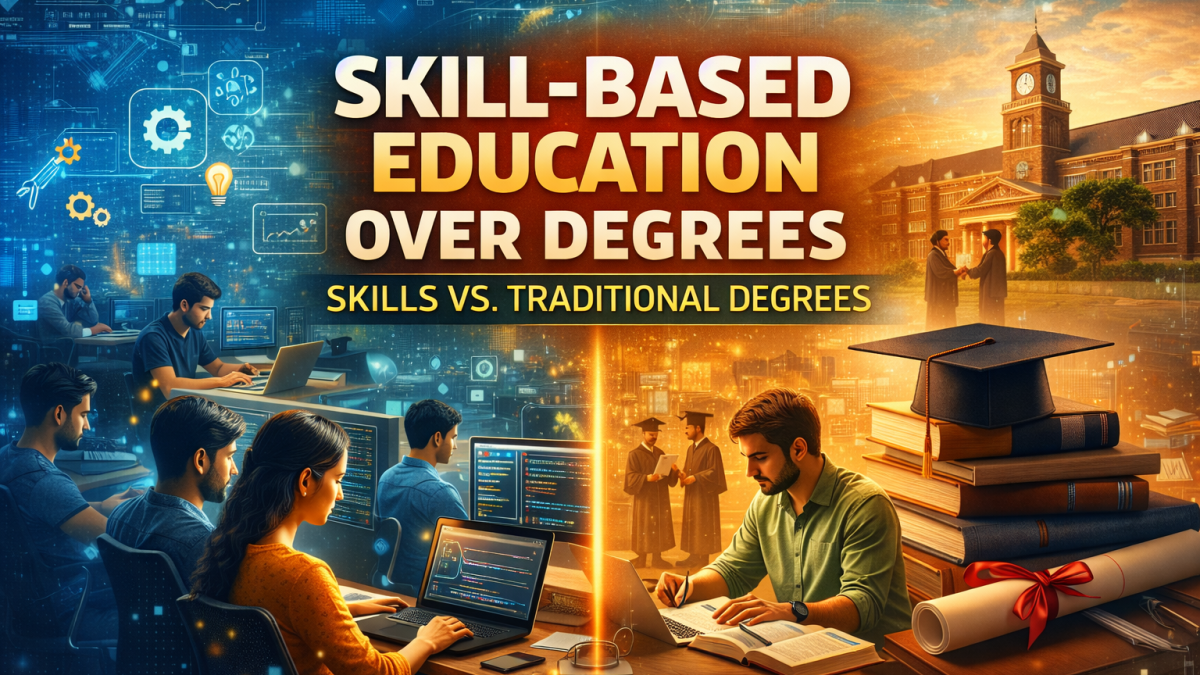
Rise of Skill-Based Learning
Traditional degrees are gradually losing their dominance as skill-based learning gains importance. E-learning platforms are focusing more on practical, job-ready skills.
Popular areas include:
- Digital marketing
- Data analysis
- Programming
- Communication skills
Employers are increasingly valuing skills over formal degrees, and e-learning platforms are aligning with this shift.
Challenges Ahead
Despite its growth, e-learning still faces several challenges:
- Lack of human interaction
- Digital divide in underdeveloped regions
- Quality control of online content
- Low course completion rates
Platforms must address these issues to ensure sustainable growth and effectiveness.
Conclusion
The future of e-learning platforms is dynamic, innovative, and full of potential. With advancements in AI, mobile technology, and personalised learning, these platforms are set to redefine education on a global scale.
While challenges remain, the direction is clear: education is becoming more accessible, flexible, and learner-focused than ever before.
And if things continue this way, the idea of sitting in a classroom for hours might soon feel as outdated as using a dial-up connection.