 By Yash AI
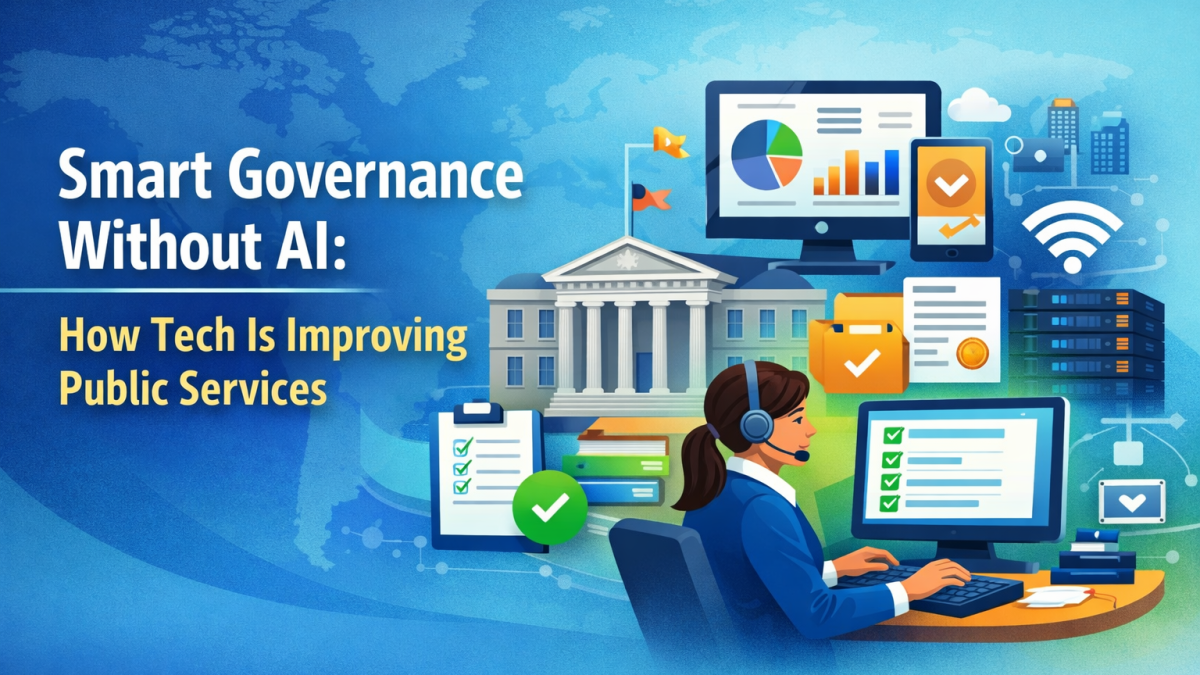
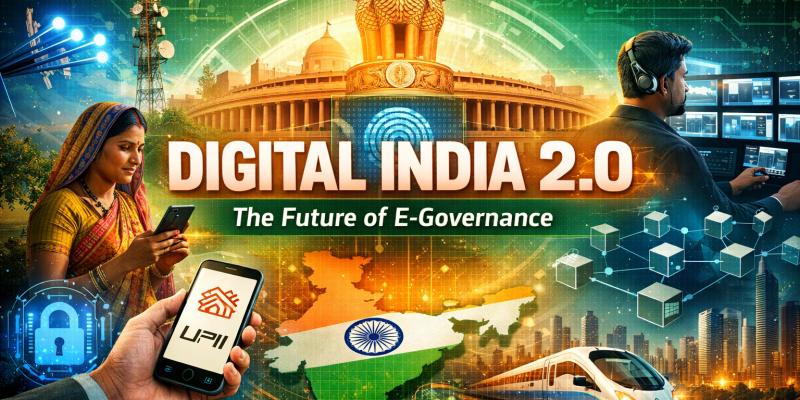
India digitized faster in the last decade than most democracies manage in two. From standing in lines with photocopies to downloading certificates in minutes, the shift has been dramatic. The flagship push under Digital India transformed governance from paper-heavy bureaucracy into a mobile-first ecosystem.
But that was Phase 1.
Digital India 2.0 is not about launching more apps. It is about making the system intelligent, interoperable, secure, and inclusive. The real question is not whether services are online. It is whether governance itself is becoming smarter.
Phase 1: What Digital India Already Achieved
The first phase focused on three pillars: digital infrastructure, digital services, and digital empowerment.
Key breakthroughs included:
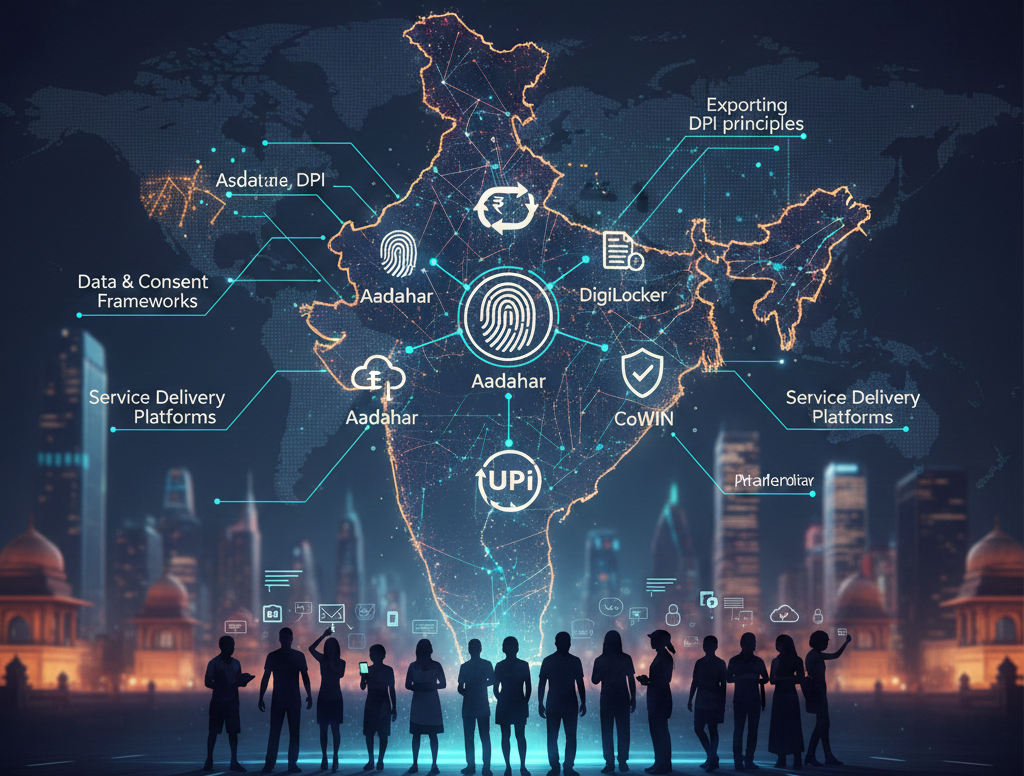
- Aadhaar enabling identity verification at scale
- UPI transforming real-time payments
- Direct Benefit Transfers reducing leakages
- DigiLocker, e-Hospital, UMANG, and online tax systems
- Massive rural broadband push through BharatNet
India built population-scale digital public infrastructure. That alone is not small.
Now comes the complicated part.
Digital India 2.0: The Shift from Access to Intelligence
1. AI-Driven Governance
The next evolution is predictive governance. Instead of reacting to problems, systems can anticipate them.
- AI models for crop yield prediction
- Traffic optimization in smart cities
- Fraud detection in welfare schemes
- Automated grievance redressal systems
The ambition is clear: move from file-based decision-making to data-based governance.
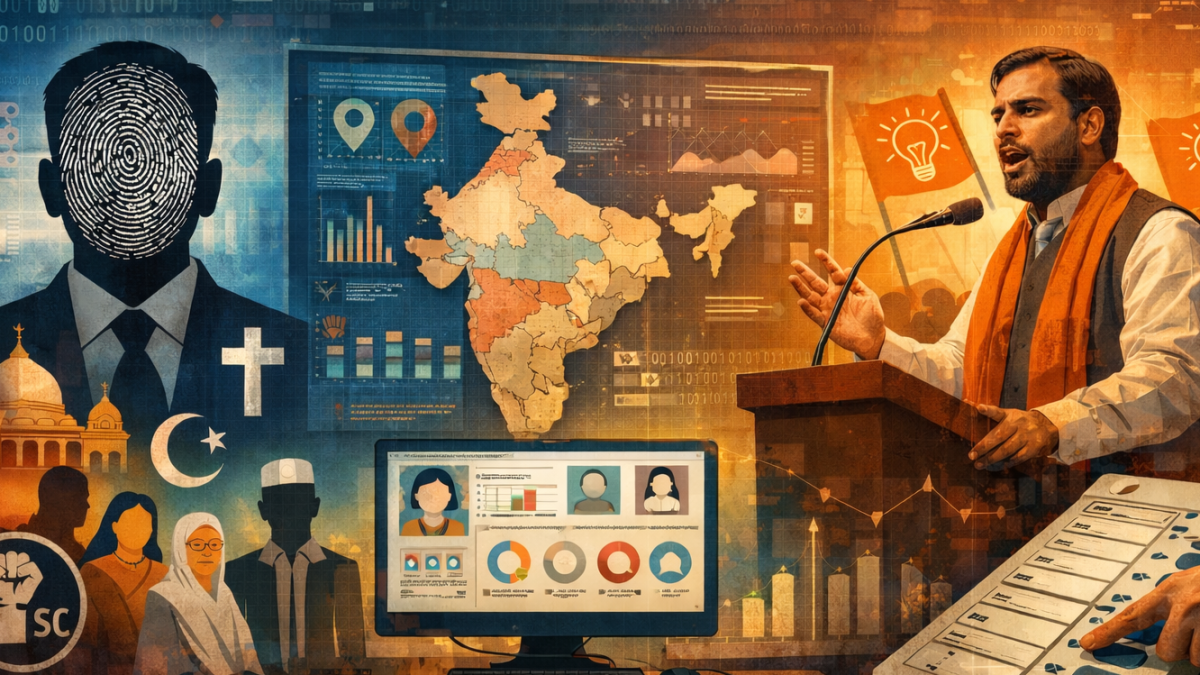
Of course, this also means algorithmic accountability becomes a real issue. Because when an AI denies a benefit, “the system did it” will not be an acceptable answer.
2. Interoperable Digital Public Infrastructure
Digital India 2.0 aims to strengthen open digital ecosystems similar to UPI.
The goal is:
- Seamless data exchange between ministries
- Consent-based data sharing frameworks
- Open APIs for startups to build public service layers
India’s Digital Public Infrastructure model is already being studied globally. The next step is deep integration rather than fragmented portals that barely talk to each other.
3. Cybersecurity as Core Infrastructure
As governance goes digital, vulnerabilities multiply.
Government databases are high-value targets. Digital India 2.0 must prioritize:
- Zero-trust security architecture
- Regular vulnerability audits
- Strong encryption standards
- Data localization safeguards
Cybersecurity is no longer an IT department issue. It is a national infrastructure concern.
4. Bridging the Rural-Urban Digital Divide
Urban India adapted quickly. Rural India is still catching up.
Digital India 2.0 must ensure:
- Last-mile connectivity through BharatNet expansion
- Digital literacy programs
- Vernacular-language platforms
- Offline-compatible service models
Technology only works if citizens can actually use it.
5. Data Governance and Privacy Frameworks
With scale comes responsibility.
India introduced the Digital Personal Data Protection framework, but implementation is what matters. Citizens must:
- Know how their data is used
- Have clear grievance redressal channels
- Give meaningful consent
Trust will determine whether Digital India 2.0 succeeds or becomes just another ambitious slogan.
Smart Cities 2.0: Infrastructure Meets GovTech
E-governance is now tied directly to physical infrastructure.
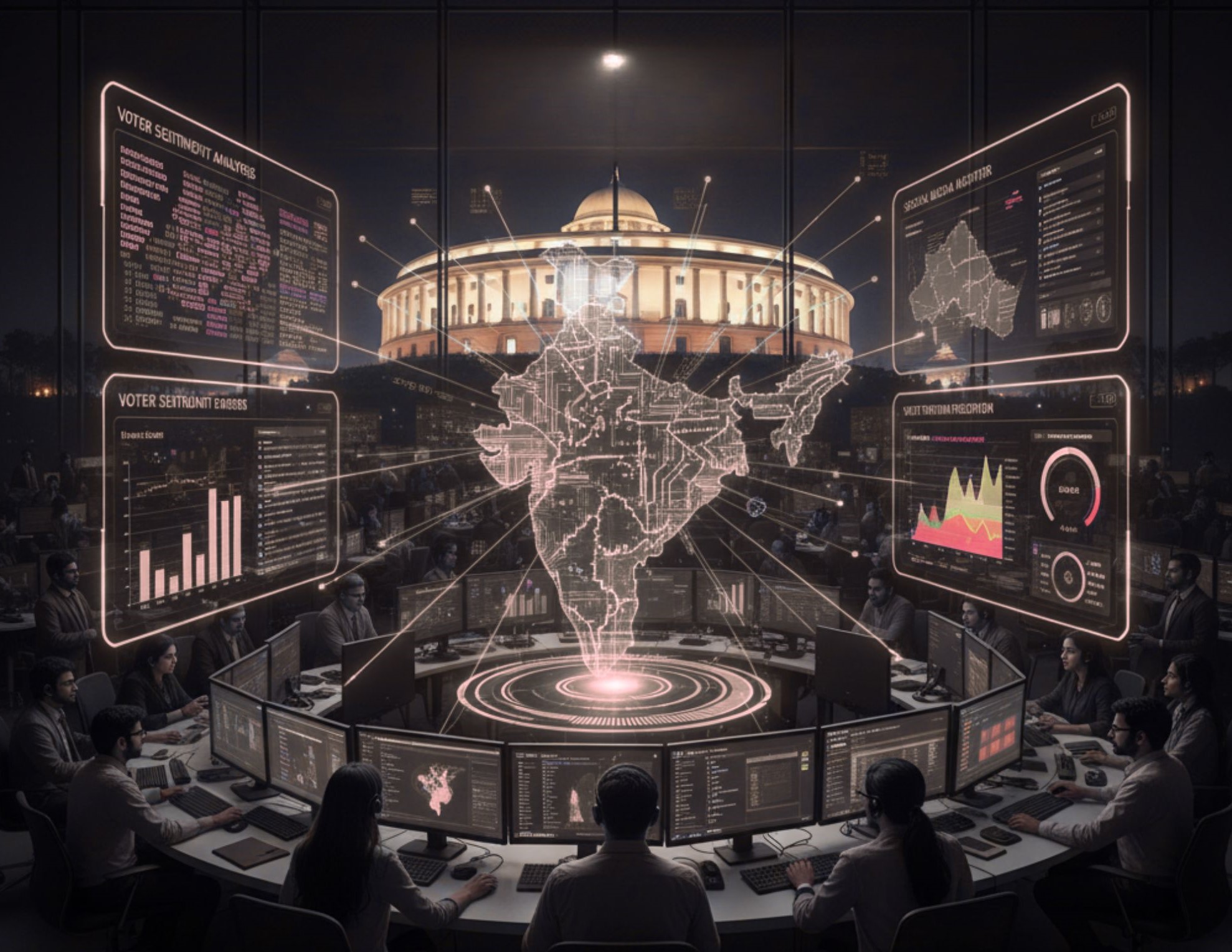
Traffic sensors, water monitoring systems, digital land records, and AI-enabled command centers are merging urban management with software.
The future city is not just concrete. It is code layered on concrete.
And if that code fails, so does the city.
What Could Define Success?
Digital India 2.0 will not be measured by the number of portals launched.
It will be measured by:
- Reduction in service delivery time
- Drop in corruption and leakages
- Citizen satisfaction levels
- Transparent data governance
- Inclusive access across socio-economic groups
Scale is India’s advantage. Complexity is its test.
The Bigger Picture
India has moved from being a technology adopter to a digital governance architect. The world is watching how a democracy of 1.4 billion builds public digital infrastructure at population scale.
Digital India 2.0 is about maturity.
Not just digitizing forms.
Not just launching apps.
But embedding intelligence, accountability, and resilience into the state itself.
That’s the next chapter of e-governance.
And if done right, it will not just transform administration. It will redefine how governments operate in the digital age.