 By hodo_admin
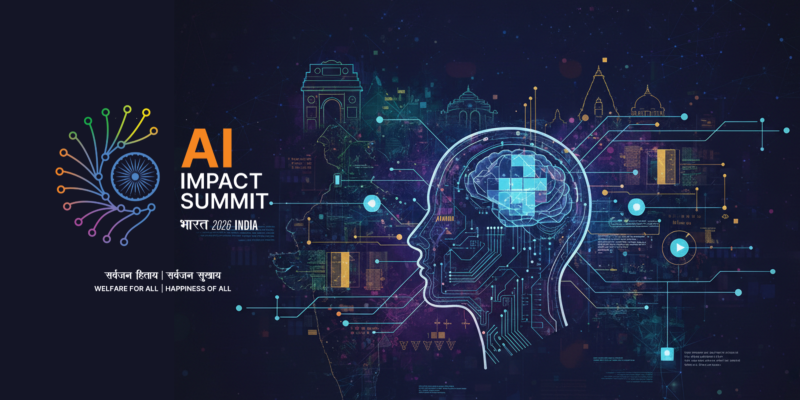
In February 2026, New Delhi is set to become the global hub for one of the most consequential technology events of the decade: the India–AI Impact Summit 2026. This is not just another technology conference—it is a global platform where governments, innovators, businesses, and institutions will collectively rethink how artificial intelligence shapes societies, economies, and governance systems.
Unlike earlier AI summits that focused largely on safety concerns or abstract governance debates, the India–AI Impact Summit represents a clear shift toward measurable implementation and real-world outcomes. Rather than discussing what AI might do in the future, the summit focuses on what AI is already doing—and how it can be responsibly scaled for tangible social and economic benefit.
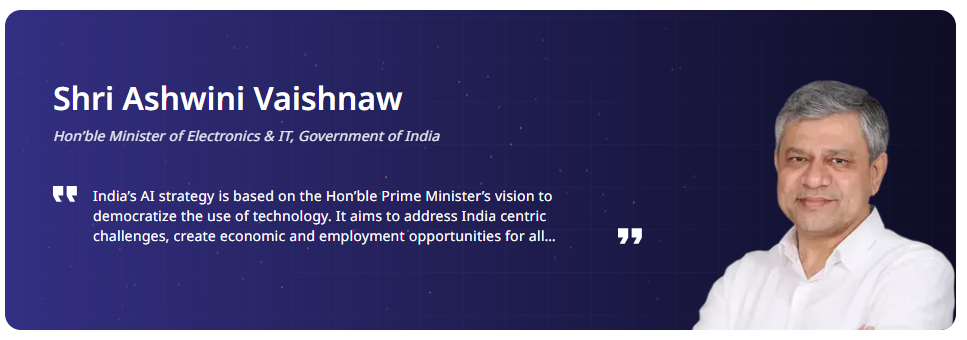
Importantly, this is the first major global AI summit to be hosted in the Global South, underscoring India’s emergence not merely as an AI participant, but as a convenor and shaper of global AI cooperation. Under the visionary leadership of Prime Minister Shri Narendra Modi and the country’s top leadership, the summit reflects India’s decisive push to position itself as a global leader in artificial intelligence—spanning world-class infrastructure, policy vision, and a thriving startup ecosystem.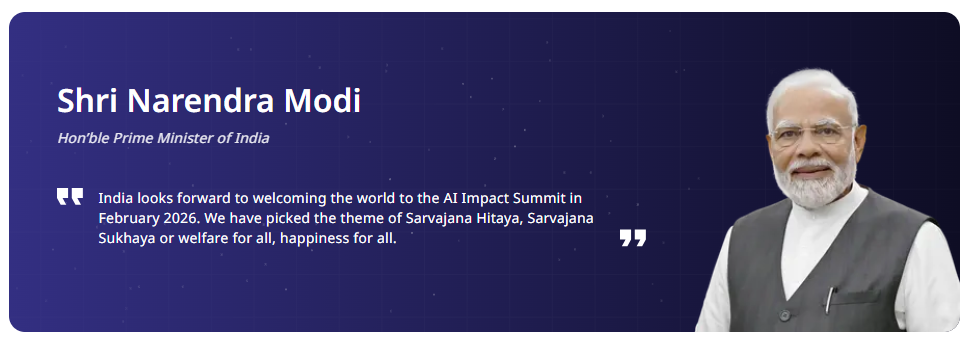
Why Now — and Why India
As the world rapidly digitises, artificial intelligence has become central to economic growth, public services, and global competitiveness. For India, this moment is particularly consequential.
AI as a Catalyst for Economic Transformation
India’s economy is entering a phase where productivity, efficiency, and innovation will define long-term growth. AI is emerging as a powerful lever across sectors such as banking, manufacturing, healthcare, agriculture, logistics, and governance—enabling faster decision-making, smarter resource allocation, and data-driven outcomes. Over the next decade, AI adoption is expected to unlock substantial economic value, making it not just a technology priority but a core economic strategy.
Building National AI Infrastructure at Scale
India has already made significant investments to strengthen its AI backbone. Nearly USD 70 billion has been committed toward AI computing and digital infrastructure, with expectations that this figure could double through global partnerships and investment dialogues catalysed by the summit. This push towards robust, sovereign infrastructure signals India’s intent to move beyond dependence and towards self-reliant, scalable AI capabilities.
From Innovation to Inclusion
At a time when digital divides remain a global concern, India’s AI vision places strong emphasis on inclusion. The summit’s focus on democratising AI reflects a broader national objective: ensuring that technological progress benefits not just urban centres or elite institutions, but also rural communities, small enterprises, and historically underserved populations. When deployed thoughtfully, AI has the potential to narrow gaps in healthcare access, education delivery, welfare distribution, and public services.
Sovereign AI for Local Needs
India is also advancing decisively towards sovereign AI models—systems designed for local languages, governance challenges, social contexts, and public service delivery. Tailored solutions across health, agriculture, education, and administration highlight a shift from generic adoption to context-aware innovation, reinforcing India’s ability to shape AI on its own terms.
A Global Convenor at a Critical Moment
The India–AI Impact Summit reflects India’s growing role as a global convenor in the AI ecosystem. With participation expected from 15+ Heads of State and Government, over 40 senior Ministers, and 100+ global technology leaders, CEOs, academics, and international organisations, the summit brings together an unusually broad coalition. Nearly 500 curated engagements and a large-scale AI Impact Expo will create space for collaboration on innovation, governance frameworks, safety standards, and real-world deployment.
Rather than positioning AI as a zero-sum technological race, the summit emphasises collective progress—where nations learn from one another, co-create guardrails, and align AI development with shared human goals.
Expected Outcomes of the Summit
It is anticipated that the India-AI Impact Summit 2026 will:
- Establish regulatory and governance frameworks for AI
- Encourage the responsible application of AI across industries.
- Provide possibilities for employment and AI skill development
- Boost international and Center-State cooperation
- Make India a global center for the development and use of AI
Why This Moment Matters
India’s demographic advantage, rapidly expanding digital public infrastructure, and world-class startup ecosystem—comprising nearly 200,000 startups, many in deep-tech—have created a rare convergence of readiness and opportunity. National initiatives such as Digital India and the IndiaAI Mission further strengthen this foundation. According to industry estimates, AI could contribute up to ₹33.8 lakh crore (over USD 400 billion) to India’s economy by 2030, making it a strategic driver of sustained and inclusive growth.
This moment represents more than technological momentum. It is an inflection point where policy, infrastructure, talent, and global trust converge—positioning India not just as an adopter of AI, but as a shaper of how AI serves societies worldwide.
The Guiding Philosophy: 3 Sutras and 7 Chakras
What sets the India–AI Impact Summit apart from conventional technology conferences is its distinctive philosophical framework—rooted in Indian thought yet designed for global relevance. The summit is anchored in three Sutras (principles) and seven Chakras (action pillars) that together define a human-centric, responsible, and impact-driven AI vision.
Rather than treating AI as a purely technical subject, this framework positions it as a tool for societal transformation.
The 3 Sutras: Foundational Principles
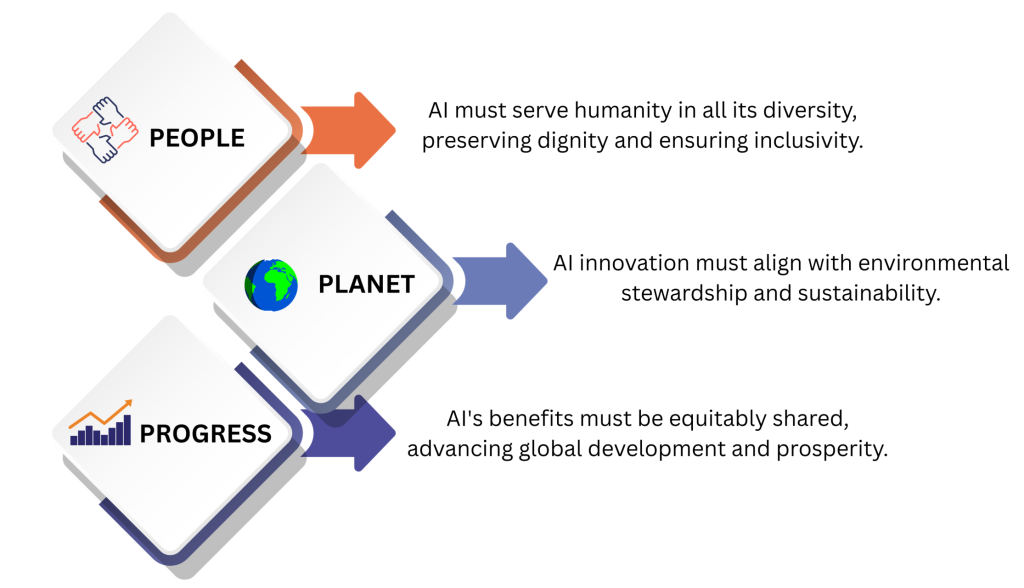
- AI for Humanity
At its core, the summit asserts that AI must serve human well-being. Technology is not an end in itself—it is a means to improve lives. Whether in healthcare, education, governance, or climate action, AI should enhance human capabilities rather than replace or marginalize them. - AI with Responsibility
As AI systems increasingly influence decisions at scale, responsibility becomes critical. This Sutra focuses on ethics, transparency, accountability, and safety. It recognizes that unchecked or opaque AI can deepen inequalities, reinforce bias, or erode public trust.Responsible AI, therefore, requires strong governance frameworks, explainable systems, and clear lines of accountability—especially when used in public services and policy-making.
- AI for Shared Progress
The third Sutra highlights collaboration over competition. AI’s benefits should not be concentrated in a few countries, corporations, or communities. Instead, progress must be shared—across borders, sectors, and societies.This principle underlines the summit’s commitment to international cooperation, open innovation, and collective problem-solving, particularly for challenges faced by the Global South.
The 7 Chakras: Pillars of Action
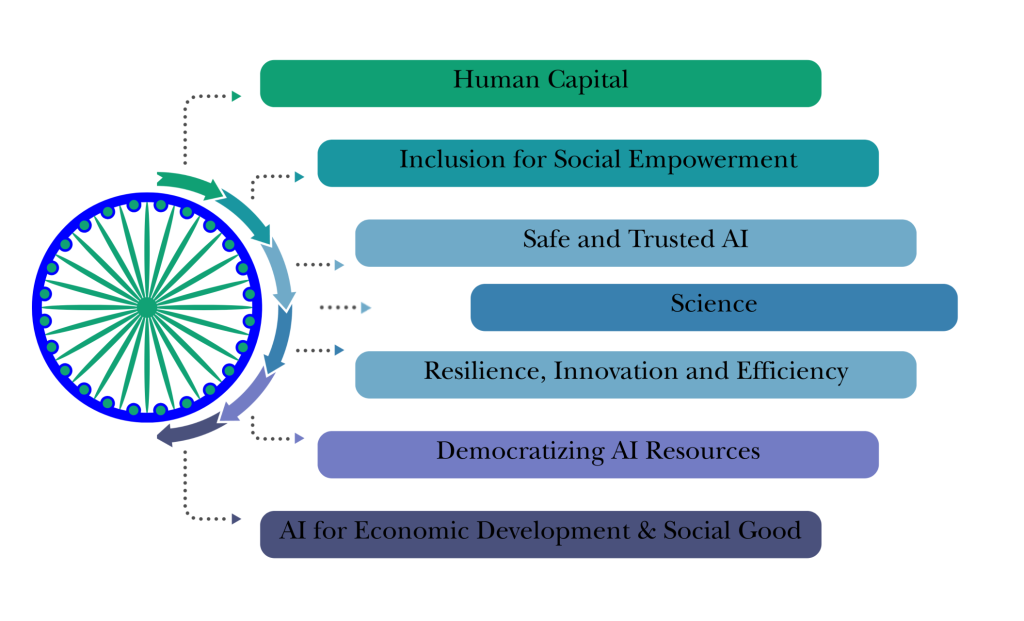
If the Sutras define the values, the seven Chakras define the action areas where AI can deliver real and measurable impact.
- Human Capital & Skills – AI’s success depends on people. This Chakra focuses on preparing the workforce for an AI-augmented future—through reskilling, upskilling, and education reforms—ensuring that technological progress creates opportunities rather than dislocation.
- Inclusive AI Development –This Chakra emphasizes accessibility. AI solutions must be affordable, multilingual, and adaptable to local contexts—ensuring benefits reach rural areas, small enterprises, and underserved populations, not just urban elites.
- Safe, Trusted & Ethical AI – Trust is the foundation of adoption. This Chakra addresses issues of bias, data protection, cybersecurity, and ethical deployment, aiming to build systems that citizens and institutions can rely on with confidence.
- Innovation & Resilience – Here, the focus is on fostering innovation ecosystems that are resilient and future-ready. From startups and research institutions to public sector innovation, this Chakra supports experimentation while ensuring systems can withstand social, economic, and technological shocks.
- Democratising AI Resources – Access to compute, data, and tools remains uneven globally. This Chakra seeks to level the playing field by promoting shared infrastructure, open platforms, and collaborative research—especially for developing nations and emerging innovators.
- Economic & Social Impact – AI must translate into tangible outcomes. This Chakra evaluates how AI contributes to productivity, employment, service delivery, and social welfare—measuring success not by adoption alone, but by real improvements in people’s lives.
- Data Governance & Accountability – Data is the fuel of AI. This final Chakra focuses on building strong data governance frameworks that ensure privacy, security, interoperability, and responsible data use—particularly in government and public-interest applications.
Together, the Sutras and Chakras blend ethics with execution, philosophy with policy, and innovation with inclusion, reflecting India’s approach to AI: grounded, human-centric, and globally collaborative.
Regional AI Impact Conferences: Building the Summit from the Ground Up
Ahead of the global summit in New Delhi, India adopted a decentralised, grassroots approach by hosting a series of Regional AI Impact Conferences across the country. These regional convenings ensured that state-level priorities, local challenges, and regional realities directly shaped the national AI agenda.
Gandhinagar | Gujarat
Building India’s AI Future: Gandhinagar Charts the Governance Blueprint
The Gujarat Regional AI Impact Conference, held on 11 December 2025 in Gandhinagar, underscored the state’s growing leadership in AI-enabled governance and public service delivery. Inaugurating the conference, Chief Minister Shri Bhupendra Patel reaffirmed Gujarat’s commitment to leveraging artificial intelligence as a tool for public welfare, transparency, and future-ready governance, aligned with Prime Minister Shri Narendra Modi’s national AI vision. He announced the operationalisation of the Gujarat Unified Digital Stack, aimed at enabling faster, smarter, and more citizen-centric service delivery through a single digital platform.
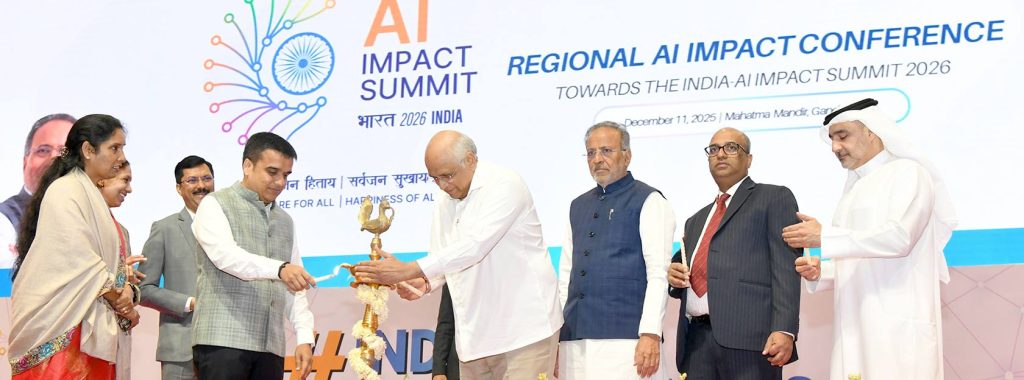
A key highlight of the event was the launch of the Gujarat AI Stack, featuring plug-and-play AI tools across agriculture, grievance redressal, procurement, document processing, and scheme eligibility verification. The Gujarat Cloud Adoption Guidelines 2025 were also unveiled to strengthen the state’s digital infrastructure, security, and AI readiness.
The conference witnessed the signing of MoUs with Google, BHASHINI, GIFT City, and Henox, focusing on multilingual AI, Gujarati language models, digital public services, global connectivity, and green data centres—further positioning Gujarat as a hub for AI innovation and digital infrastructure.
Deputy Chief Minister Shri Harsh Sanghavi described AI as a new energy transforming every sector and highlighted Gujarat’s ambition to become the epicentre of the AI revolution. He showcased AI-driven initiatives in healthcare, agriculture, public safety, transport, and wildlife conservation, and invited startups and investors to see Gujarat as a launchpad for AI-led growth.
Science & Technology Minister Shri Arjun Modhwadia emphasised AI’s role as a powerful enabler of good governance, noting its impact on efficiency, transparency, and citizen convenience. Senior officials from MeitY highlighted that insights from Gujarat’s regional conference would feed into national deliberations ahead of the India AI Impact Summit 2026.
With discussions spanning AI for agriculture, healthcare, governance, urban–rural transformation, and fintech, the Gujarat conference reinforced the state’s position as a frontrunner in India’s journey towards inclusive, responsible, and impact-driven AI adoption.
Shillong | Meghalaya
Building India’s AI Future: Shillong Brings the North-East into India’s AI Mission
The Regional AI Impact Conference 2025, held on 3 December 2025 in Shillong, concluded with strong participation and key announcements, highlighting Meghalaya’s growing role as a digital innovation hub in the North-East. Organised jointly by the Information Technology & Communications Department, Government of Meghalaya, the IndiaAI Mission (MeitY), with IIM Shillong as Knowledge Partner.
Graced by Hon’ble Chief Minister Shri Conrad K. Sangma, the conference saw participation from over 700 delegates, including students, startups, government officials, academicians, and AI practitioners.
A major highlight of the conference was the launch of three key initiatives:
- BHASHINI Hackathon for Khasi and Garo language model training, aimed at strengthening AI-driven linguistic inclusion.
- MeghDEE, a platform to co-create digital innovations by engaging students, startups, and government departments.
- DRISHTI-NE Hackathon, encouraging youth-led innovation in AI, with prizes worth ₹2.5 lakh.
Two important MoUs were exchanged to set up Data & AI Labs in Meghalaya and a Satellite Incubation Centre in Shillong, strengthening the state’s AI and startup ecosystem. Emphasising the theme “AI for Citizen Empowerment: Smarter Governance, Better Lives”, the Chief Minister underlined the importance of data-driven governance and a strong digital ecosystem for inclusive development.
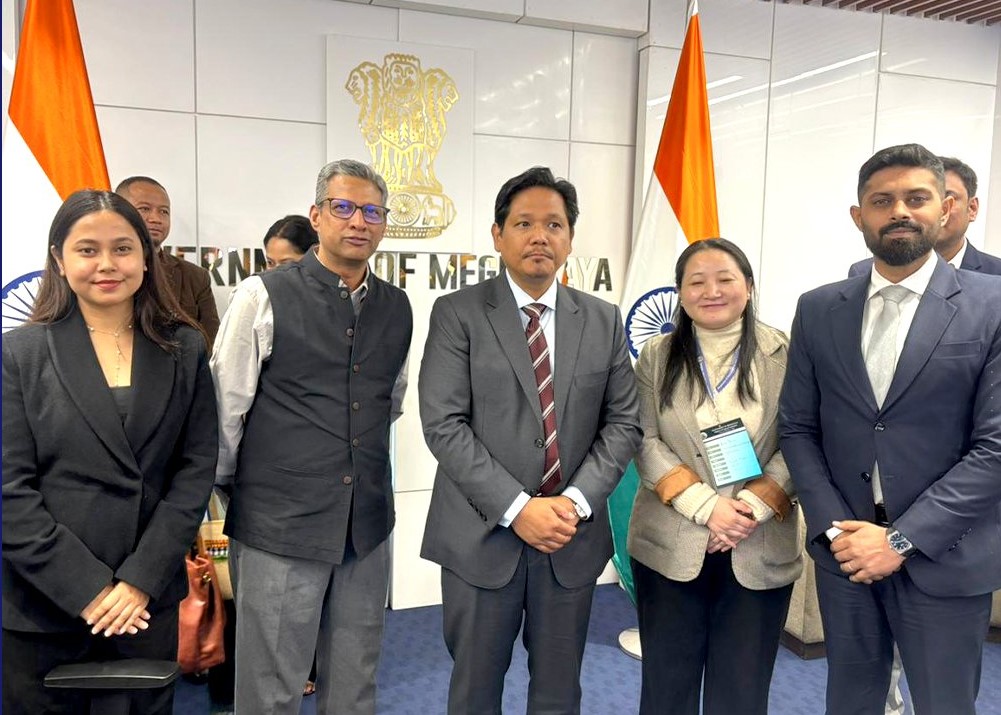 The conference also featured AI innovation showcases and expert discussions on AI for climate resilience and good governance, reinforcing India’s commitment to expanding AI leadership beyond metros and into emerging regions.
Jaipur | Rajasthan
Building India’s AI Future: Jaipur Advances Inclusive & Cultural AI
The Rajasthan Regional AI Impact Conference, held on 6 January 2026, brought together national and state leaders, policymakers, industry, startups, and academia to discuss the growing role of artificial intelligence in governance, innovation, and skill development.
The event was attended by Chief Minister Shri Bhajan Lal Sharma, MoS Shri Jitin Prasada, and Shri Rajyavardhan Rathore, reflecting strong Centre–State collaboration on India’s AI agenda.
A key highlight was the launch of a national programme to train one million youth in AI skills, aligned with Prime Minister Shri Narendra Modi’s vision of democratising technology. The government also reiterated its commitment to the ₹10,000-crore IndiaAI Mission, aimed at deploying AI across sectors such as agriculture, healthcare, education, and governance.
Rajasthan took a major step forward with the launch of its AI/ML Policy 2026, focused on transparent governance, innovation-led growth, and job creation. Several supporting initiatives were unveiled, including YUVA AI for All, the Rajasthan AI Portal, the iStart Learning Management System, and the Rajasthan AVGC-XR Portal.
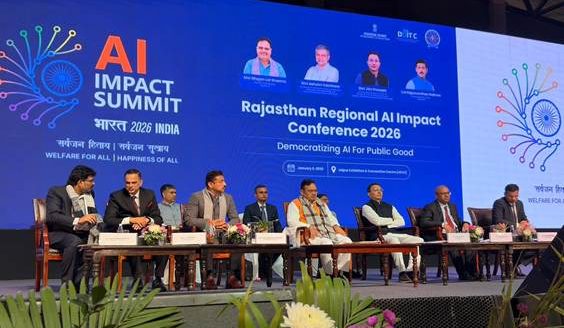
The conference also saw the signing of MoUs with leading institutions including Google and IITs, strengthening AI research, skilling, and ethical frameworks. Expert discussions highlighted the importance of responsible AI, public–private collaboration, and regional innovation ecosystems.
The Rajasthan conference marked a significant regional milestone, reinforcing India’s commitment to using AI for inclusive growth, public good, and sustainable development ahead of the India AI Impact Summit 2026.
Bhopal | Madhya Pradesh
Building India’s AI Future: Bhopal Strengthens Institutional Readiness
The Madhya Pradesh Regional AI Impact Conference 2026, held on 15 January 2026 in Bhopal, concluded with key announcements and showcases, underlining the state’s growing role in AI-enabled governance and public service delivery. Organised jointly by the IndiaAI Mission, Ministry of Electronics and Information Technology (MeitY), and the Government of Madhya Pradesh, the conference is part of the national run-up to the India AI Impact Summit 2026.
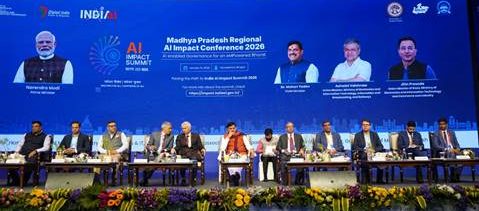
A major highlight was the signing of an MoU between the Government of Madhya Pradesh and the IndiaAI Mission to expand AI education and skilling across the state. Under this collaboration, 30 Data and AI Labs will be established in Madhya Pradesh as part of a nationwide initiative to set up 570 such labs in Tier-2 and Tier-3 cities, strengthening grassroots AI capacity.
The conference witnessed several important launches, including four citizen-centric digital portals and multiple MoUs with institutions such as Google, nasscom, BHASHINI, AISECT, CEEW, and Youngovator, aimed at boosting AI research, innovation, and skill development. Another key announcement was the launch of the Madhya Pradesh SpaceTech Policy 2026 by Chief Minister Shri Dr. Mohan Yadav, positioning the state as an emerging hub for satellite manufacturing, geospatial applications, and AI-enabled solutions in agriculture, disaster management, and urban planning.
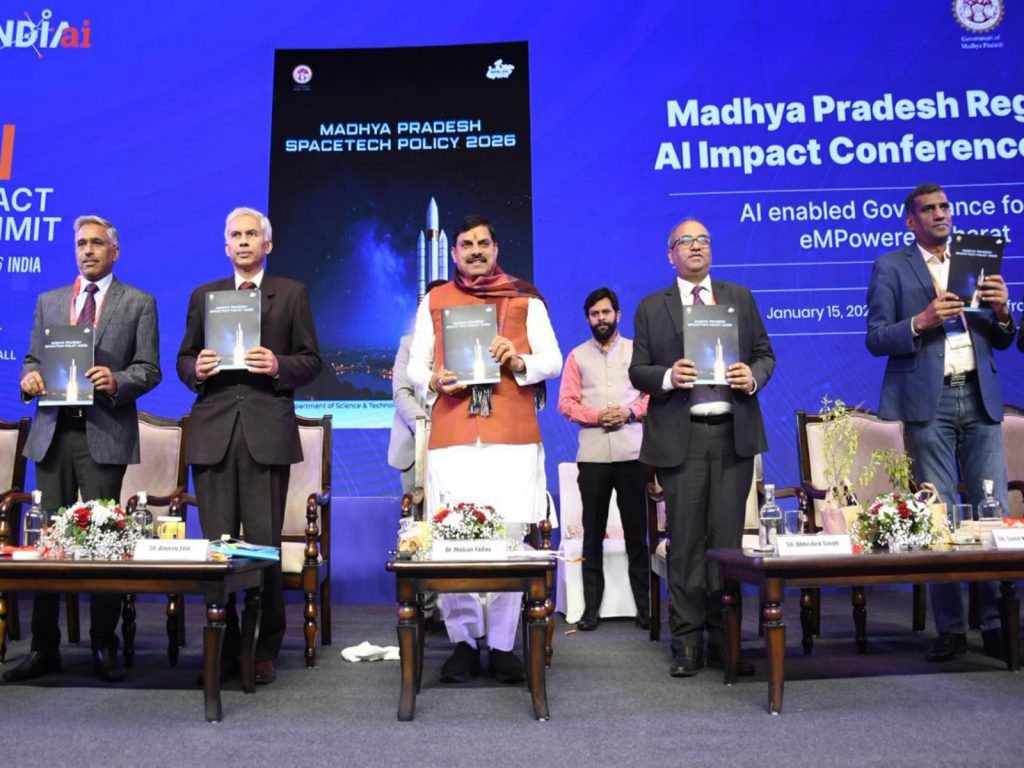
Addressing the conference, the Chief Minister Shri Mohan Yadav emphasised Madhya Pradesh’s commitment to AI-led growth, highlighting the state’s focus on deploying AI across sectors such as health, mining, and governance to improve efficiency and public outcomes. Shri Abhishek Singh, CEO of the IndiaAI Mission, reiterated India’s growing global leadership in technology and outlined how IndiaAI aims to build on platforms such as Aadhaar, UPI, and India Stack to ensure AI’s benefits reach all citizens.
The event also showcased startup innovations, announced winners of state-level hackathons, and featured discussions on technology-led governance, economic growth, and social good.
Lucknow | Uttar Pradesh
Building India’s AI Future: Lucknow Explores AI at Population Scale
Lucknow emerged as a key national and global convening point for discussions on responsible and inclusive artificial intelligence as policymakers, industry leaders, international organisations, and researchers gathered for the Uttar Pradesh Regional AI Impact Conference 2026, alongside the Fourth Meeting of the AI for Economic Growth and Social Good Working Group.
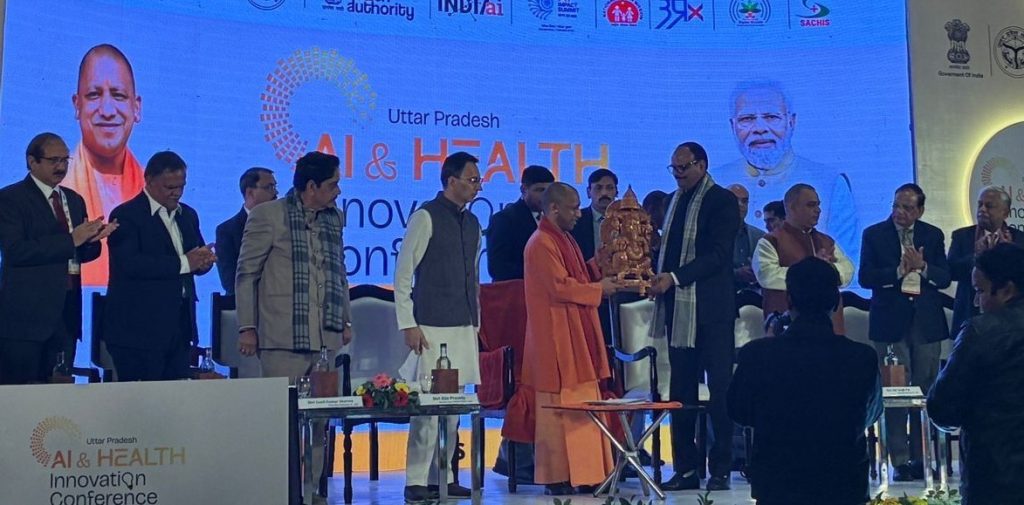
The conference highlighted India’s and Uttar Pradesh’s vision for leveraging AI to strengthen public service delivery, particularly in healthcare, while ensuring ethical, safe, and inclusive adoption. Senior leadership, including Chief Minister Shri Yogi Adityanath, emphasised AI’s role in early diagnosis, critical care, and data-driven decision-making, announcing the launch of the Uttar Pradesh AI Mission, backed by a proposed ₹2,000 crore investment, to build a robust state-level AI ecosystem aligned with national priorities.
A major announcement underscored India’s focus on decentralising AI capacity, with the IndiaAI Mission announcing the establishment of 62 Data and AI Labs across Uttar Pradesh, alongside the signing of an MoU between IndiaAI and the Government of Uttar Pradesh to strengthen AI research, skilling, and deployment across the state.
Discussions during the conference brought together domestic and international experts to examine AI-enabled healthcare solutions, digital public infrastructure, workforce empowerment, and scalable innovations suited to population-scale deployment. Sessions also explored how India and its states can emerge as global leaders in low-cost, high-impact AI solutions, particularly for the Global South.
Thiruvananthapuram | Kerala
Building India’s AI Future: Thiruvananthapuram Leads Ethical & Talent-Driven AI
The Software Technology Parks of India (STPI), under the Ministry of Electronics and Information Technology (MeitY), in collaboration with the ISACA Thiruvananthapuram Chapter, hosted a pre-summit conference in Thiruvananthapuram ahead of the India AI Impact Summit 2026. The conference focused on Safe and Trusted AI across key sectors including fintech, healthcare, and citizen safety.
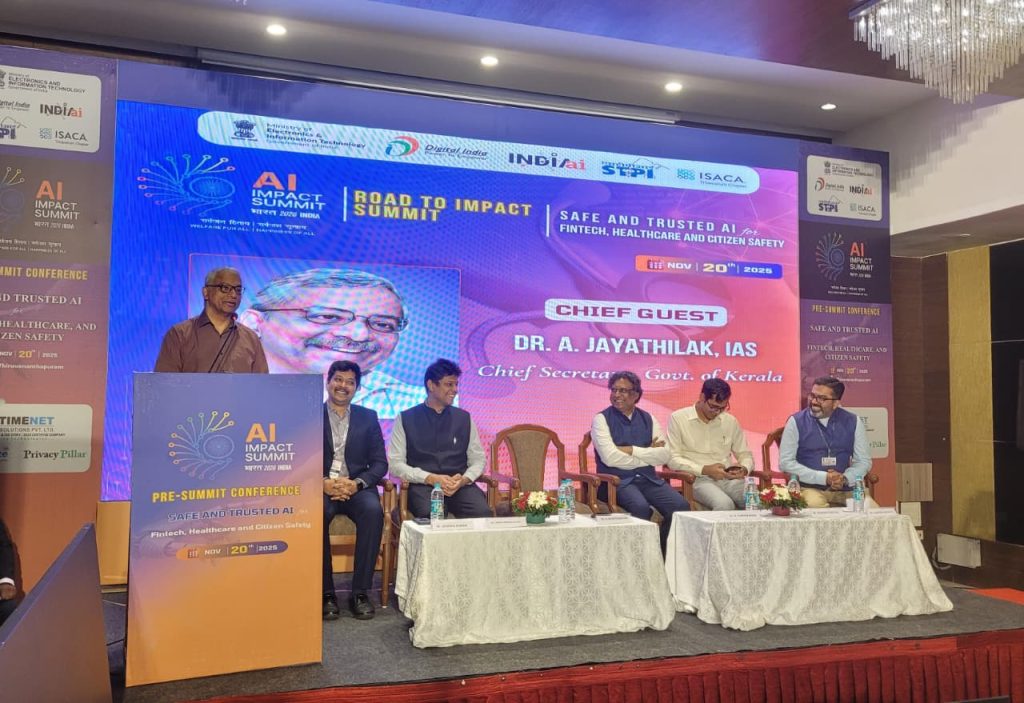
Inaugurating the event, Dr A. Jayathilak, IAS, Chief Secretary, Government of Kerala, emphasised that India’s AI mission goes beyond deployment to prioritise ethical, inclusive, and secure AI. Highlighting Kerala’s leadership in digital governance, he expressed confidence that the state can set benchmarks for trustworthy AI in practice, calling for collaboration across government, industry, academia, and civil society to shape responsible AI frameworks.
Dr Jayathilak also underscored the importance of AI literacy, envisioning it becoming as widespread as digital literacy in Kerala, and reaffirmed the state’s commitment to ensuring that technology serves people, prosperity, and the planet.
Shri Mohammed Y Safirulla K., IAS, Director, IndiaAI, MeitY, attended as Guest of Honour, sharing insights into the India AI Mission and the upcoming India AI Impact Summit 2026, including its seven foundational pillars. The conference also featured a keynote on cybersecurity and privacy in the age of AI by Dr N. Subramanian, Executive Director, SETS.
The discussions reinforced India’s growing focus on building safe, trusted, and human-centric AI, with regional insights contributing to national and global deliberations ahead of the summit.
Bhubaneswar | Odisha
Building India’s AI Future: Bhubaneshwar Applies AI for Resilience & Welfare
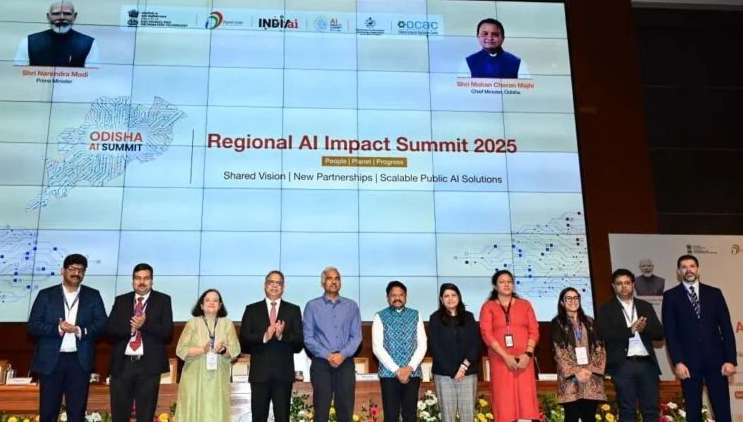
The Odisha Regional AI Impact Summit, held in Bhubaneswar on 19 January 2026, marked an important milestone in India’s journey toward building an inclusive, people-centric AI ecosystem. The summit focused on the theme of Democratising AI Resources, emphasising how accessible AI infrastructure, shared datasets, and local innovation can strengthen governance, welfare, and resilience at the state level.
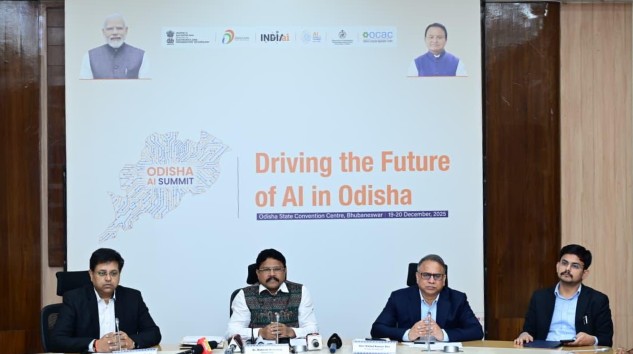 Guided by the People, Planet, and Progress sutras of the India–AI Impact Summit, the discussions positioned AI as a practical public good rather than an elite or experimental technology. The summit highlighted Odisha’s regional priorities and demonstrated how state-led AI adoption can deliver meaningful outcomes for citizens while contributing to India’s national AI strategy.
A key focus area was Bhasha.AI, which explored the role of AI in bridging language barriers in governance and public services. Discussions centred on developing AI systems in Indian languages, particularly Odia, to enable speech-based interfaces, translation tools, and language-first digital platforms. By strengthening local-language AI capabilities, Bhasha.AI aims to make digital governance and public information more accessible to citizens at the grassroots level.
The Sushasan.AI track examined how AI can enhance governance efficiency, transparency, and decision-making. Deliberations focused on AI-enabled tools for grievance redressal, welfare scheme monitoring, and data-driven planning across government departments. Emphasis was placed on ethical, explainable, and accountable AI systems that support administrators while strengthening citizen trust in public institutions.
The Swasth.AI discussions highlighted the potential of AI to expand healthcare access and improve public health outcomes. Conversations covered AI-enabled diagnostics, telemedicine, predictive health analytics, and decision-support systems for healthcare workers, particularly in rural and underserved areas. The track reinforced the need to democratise AI resources in healthcare to ensure affordability, scalability, and equitable access.
Insights from the Bhubaneswar summit will directly inform preparations for the India–AI Impact Summit 2026, reinforcing the role of states in shaping India’s AI future. By grounding AI deployment in local realities and citizen needs, the Odisha Regional AI Impact Summit underscored how inclusive, state-driven initiatives are becoming central to India’s vision of Viksit Bharat 2047.
From Regional Voices to a Global Vision
Insights from these regional summits directly shaped the national agenda by:
- Informing the Seven Chakras framework
- Aligning state-specific needs with AI deployment strategies
- Strengthening Centre–State collaboration
- Ensuring AI solutions address both urban and rural realities
This decentralised approach ensured that the India–AI Impact Summit 2026 is inclusive, realistic, and implementable—rather than one-size-fits-all.
Looking Ahead
The India–AI Impact Summit 2026 has the potential to become a defining moment in global AI governance. By anchoring advanced technology in timeless principles and practical action areas, the summit positions AI not as a disruptive force to be feared, but as a transformative tool to be guided—with intention, responsibility, and purpose.
As leaders shaping the event emphasise: this summit is not just about what AI can do—it is about what AI should do for people, progress, and the planet.